How Bricks are Made
In the Alleghany Highlands there were two brick companies. They mostly made their bricks for construction and road paving.
Covington Brick Company was the first and began operations in 1892 and had a daily capacity of 25,000 bricks. They also sourced their clay locally.
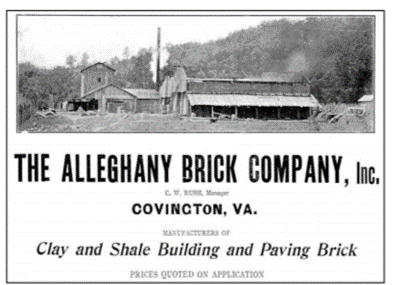
Due to the rapid growth in C&O Railroad and industry the Alleghany Brick Company was established in 1906. It was located on the Jackson River and their clay deposit was on the other side of the river. They developed a cable system to transport the clay.
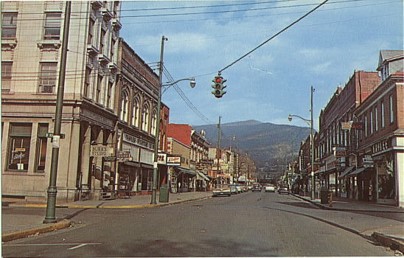
*Main Street, Covington in the 1920’s, most of these buildings were made from brick.
Collection of Raw Materials
In Brickmaking there are a lot of raw materials that go into creating the bricks that are used for many things in our lives. The 5 most common materials include, sand, cement, fly ash, clay and water.
Fly ash is essentially an alternative to coal. It has similar properties such as being able to produce power, but it is often used in the brickmaking process. As for cement, it is comprised of a large quantity of lime dust.
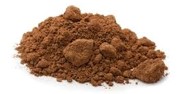 Clay
Clay
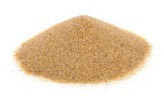 Silica Sand
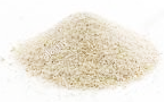 Lime
Lime
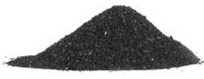 Coal Dust
 Water
Water
Weighing and Batching
The second stage in the brickmaking process is weighing and batching. Once all the raw materials are collected, it comes time to weigh the materials in order to have even batches for the making of the bricks.
The materials, after being weighed for their specific weights needed for a batch of bricks are then stored in silos until needed for brickmaking.
From their, the materials are then taken, as needed, from the Silos to be used in the process of brickmaking.
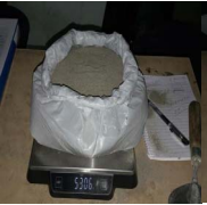
Fig. 1: Sand being weighed for the brickmaking process. Credit: MSEM6911083.pdf (iop.org)
Feeding and Mixing
In the third stage is where the bricks start to be made! After the materials are taken from the silos (manually or automatically) they are sent into a mixer.
Once in the mixer, all the materials come together to create a mud like substance. This substance is the base for the brick and will be put in a mold to create the bricks. The mixing process can either be done manually or automatically.
Molding the Bricks
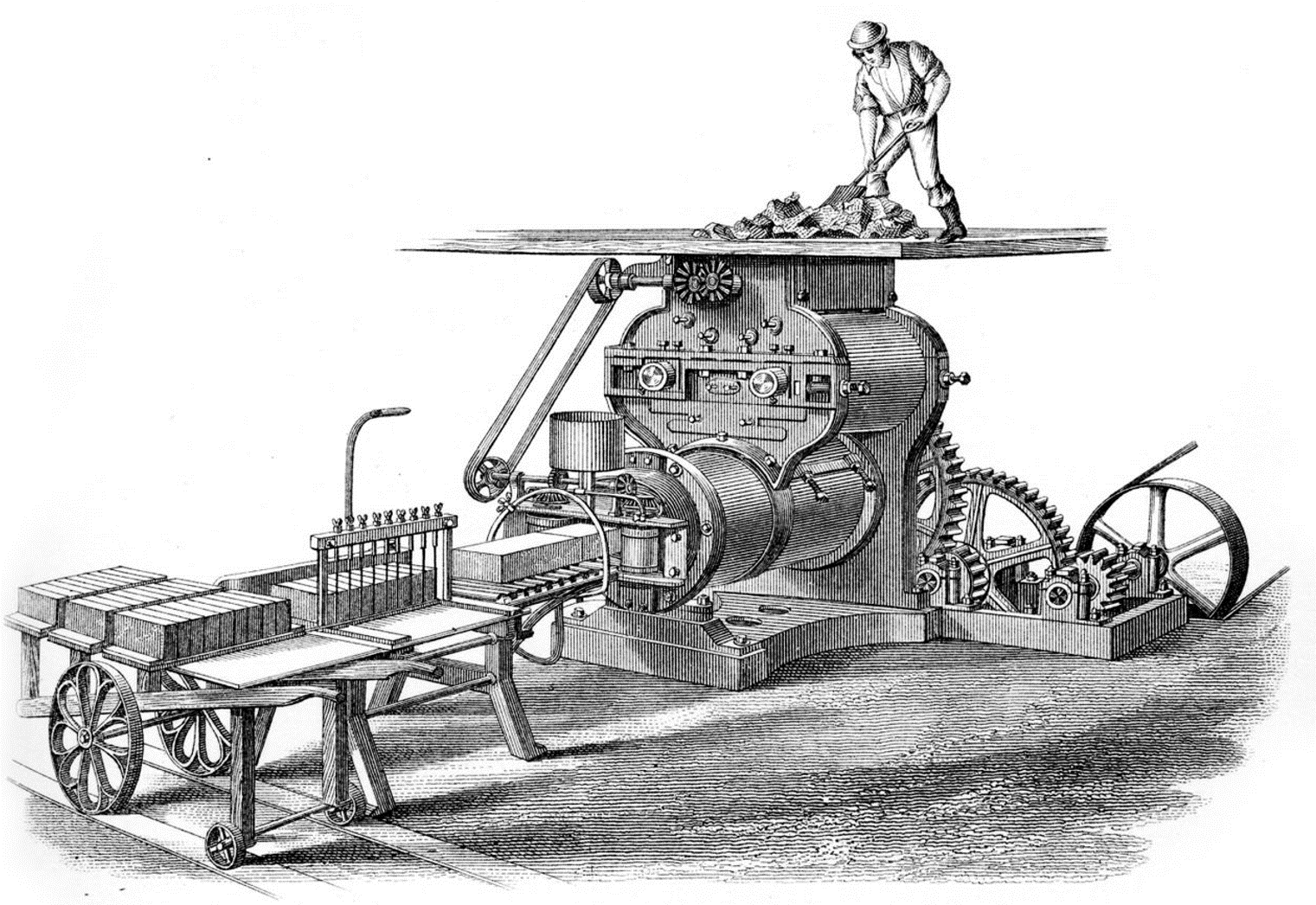
After the materials are mixed thoroughly, the mixture is sent through a machine which puts the mixture into a mold which forms the brick. The bricks are then sent through the machine (See Fig. 1) where they are cut into the correct dimensions.
In older machines the bricks would be cut by thin metal wires, whereas today they are cut by a sharp piece of metal.
After the bricks were molded and cut to the proper size, they would be set to dry before storage.
Storage
After the bricks are molded, they are stored on pallets and transferred to the storage buildings.
There are many different types of bricks, and we see different ones each day.
The most common types of bricks are burnt clay bricks(See Fig.1), concrete bricks, solid bricks, and hollow bricks.
*Main Street, Covington in the 1920’s, most of these buildings were made from brick.
Fig. 1
Click here to edit the dot navigation module. This text is only for editing and will not appear after you publish the changes.